Celebrating holiday

How do you celebrate holidays?


Holiday is a day of joy

Holiday Celebrating: A Time for Joy, Reflection, and TogethernessIntroduction:Holidays are special occasions that bring people together to celebrate and commemorate various events, traditions, and religious beliefs. These festive periods provide an opportunity for individuals to take a break from their daily routines, relax, and enjoy the company of loved ones. Whether it is Christmas, Thanksgiving, Diwali, or Eid, holiday celebrations hold immense significance in different cultures around the world. In this essay, we will explore the importance of holiday celebrating, the various ways people celebrate, and the positive impact these festivities have on individuals and communities.Body:1.Historical and Cultural Significance:Holidays have deep historical and cultural roots that connect people to their heritage and traditions. For example, Christmas is celebrated worldwide to honor the birth of Jesus Christ. This holiday has been observed for centuries and has evolved to include customs such as gift-giving, decorating Christmas trees, and sharing meals with family and friends. Similarly, Diwali, the festival of lights, is celebrated by Hindus to commemorate the victory of light over darkness and good over evil. These holidays serve as a reminder of our shared history and help preserve cultural practices for future generations.2.Creating Joy and Happiness:Holiday celebrations are synonymous with joy and happiness. They provide an opportunity for individuals to escape the stresses of everyday life and indulge in activities that bring them joy. Whether it is exchanging gifts, preparing and enjoying delicious meals, or participating in festive games and activities, holidays offer a chance to experience pure happiness. The anticipation and excitement leading up to these celebrations create a sense of joy that is infectious and spreads throughout communities, fostering a positive atmosphere.3.Strengthening Family Bonds:Holidays are a time when families come together, strengthening the bonds between relatives and creating lasting memories. These celebrations often involve extended family members, providing an opportunity for everyone to reconnect and spend quality time together. Whether it is gathering around the dinner table, engaging in friendly competitions, or simply sharing stories and laughter, holiday celebrations foster a sense of unity and love within families. These shared experiences create cherished memories that are passed down through generations, reinforcing the importance of family ties.4.Promoting Cultural Understanding and Tolerance:In our increasingly diverse world, holiday celebrations play a crucial role in promoting cultural understanding and tolerance. When individuals from different backgrounds come together to celebrate each other’s holidays, they gain insight into different customs, traditions, and beliefs. This exposure fosters empathy and respect, breaking down barriers and promoting a sense of unity among diverse communities. By participating in holiday celebrations, individuals can develop a deeper appreciation for the richness and diversity of the world we live in.5.Giving Back to the Community:Holiday celebrations often emphasize the importance of giving back to the community and helping those in need. Many people use these festive periods as an opportunity to engage in acts of charity and kindness. Whether it is donating food to the less fortunate, volunteering at local shelters, or organizing fundraisers for various causes, holiday celebrations inspire individuals to make a positive impact on their communities. These acts of kindness not only benefit those in need but also create a sense of fulfillment and purpose for the individuals involved.Conclusion:Holiday celebrating is a time-honored tradition that brings people together, promotes joy and happiness, strengthens family bonds, fosters cultural understanding, and encourages acts of kindness. These celebrations hold immense significance in various cultures and religions, serving as a reminder of our shared history and traditions. As we celebrate holidays, let us embrace the spirit of togetherness, love, and compassion, spreading joy and making a positive impact on the world around us.

The Great Baking Catastrophe: A Tale of Epic Culinary Failure

Write about your most epic baking or cooking fail.

My first cooking fail to make a cake for my friends birthday and this will be my first attempt to make a cake

Sure! So, I decided to try my hand at baking a cake from scratch. I followed the recipe step by step, but when it came time to add the flour, I accidentally added double the amount. I didn’t realize my mistake until the batter was already mixed and in the oven.As the cake baked, it started to rise and overflow from the pan. I quickly realized that it was going to be a disaster. The cake ended up burning on the edges while the center remained raw. It was a complete mess!To make matters worse, I also attempted to make a homemade caramel sauce to drizzle over the cake. However, I accidentally left the sugar on the stove for too long, and it turned into a burnt, sticky mess. The smell was awful, and I had to open all the windows to get rid of it.In the end, I had to throw away the burnt cake and the failed caramel sauce. It was definitely an epic fail, but I learned the importance of double-checking measurements and being more careful in the kitchen.The story of my epic baking fail serves as a reminder that mistakes are an integral part of the culinary journey. It is through these failures that we learn, grow, and ultimately find success. The ability to find humor in the face of disaster is what separates a true chef from a mere cook. So, embrace the failures, laugh at the mishaps, and keep experimenting in the kitchen. After all, it is in these moments that we create memories that last a lifetime.In the end, the failed cake became a symbol of perseverance and resilience. I decided to turn it into a trifle, layering the crumbled cake with whipped cream and fresh berries. Surprisingly, it turned out to be a delicious dessert, enjoyed by friends and family who couldn’t help but laugh at the tale of its creation. It became a cherished memory, reminding me that even the most epic culinary failures can lead to unexpected triumphs.As I cleaned up the mess and salvaged what little remained of the cake, I couldn’t help but reflect on the valuable lessons learned from this epic baking fail. I realized that even the most carefully followed recipes can go awry, and that mistakes are an essential part of the learning process. It was a humbling experience that reminded me of the importance of resilience and the ability to find joy in the face of failure.The cake had risen to unimaginable heights, bursting out of the pans and dripping onto the oven floor. The once-promising layers had transformed into a lumpy, misshapen mass. It was a scene straight out of a comedy sketch, and I couldn’t help but burst into laughter, even as disappointment washed over me.With the cake pans safely placed in the oven, I eagerly set the timer and waited for the magic to happen. However, as the minutes ticked by, a strange smell began to permeate the kitchen. Panic set in as I realized that something was terribly wrong. Rushing to the oven, I discovered a sight that could only be described as a culinary nightmare.It all began with a recipe I stumbled upon online, promising the most delectable chocolate cake ever created. The ingredients were carefully listed, and the instructions seemed straightforward. Filled with enthusiasm, I gathered all the necessary items, including the finest quality chocolate, fresh eggs, and a variety of other ingredients. I was convinced that this cake would be my pièce de résistance.Baking and cooking are often seen as delightful and rewarding activities, but sometimes even the most seasoned chefs and bakers encounter epic failures. In this narrative, we will explore a memorable baking disaster that unfolded in my kitchen, leaving a lasting impression on both my culinary skills and my sense of humor. From the initial excitement to the ultimate catastrophe, this story will highlight the importance of perseverance and the ability to find humor in even the most disastrous situations.

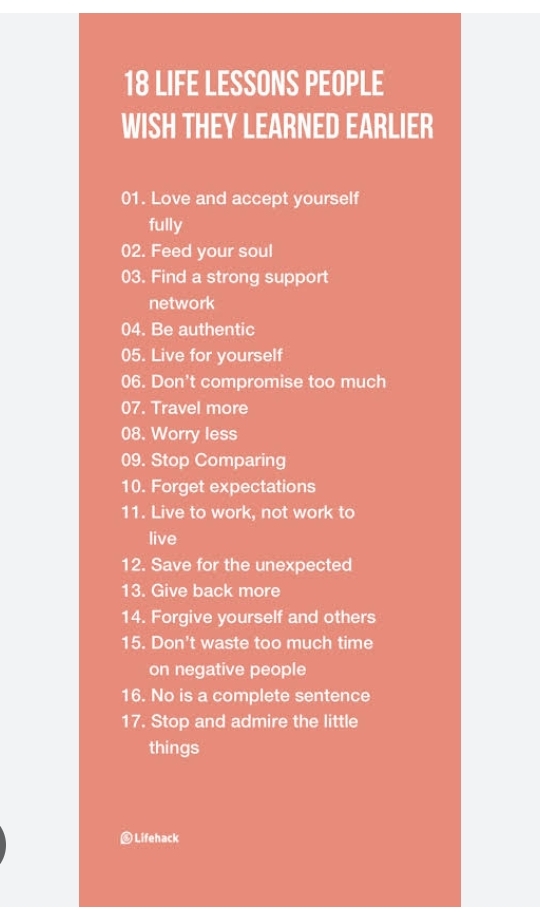
Lesson I wished had learned in my earlier life

Share a lesson you wish you had learned earlier in life.

The big lessons I learned in my earlier life

One lesson that I wished I had learned earlier in life is the importance of self-care and prioritizing my own well-being. Growing up, I was always taught to put others first and to constantly strive for success, often neglecting my own needs and happiness in the process.I wish I had realized sooner that taking care of myself is not selfish, but rather a necessary component of living a fulfilling and balanced life. It is essential to prioritize self-care, whether it be through practicing mindfulness, engaging in hobbies, or simply taking time for relaxation and rejuvenation.By neglecting my own well-being, I found myself feeling burnt out, stressed, and unable to fully enjoy the present moment. I wish I had learned earlier that it is okay to say no, set boundaries, and take time for myself without feeling guilty.Understanding the importance of self-care would have allowed me to establish healthier habits and avoid unnecessary stress and exhaustion. It would have helped me maintain a better work-life balance and prevented me from sacrificing my own happiness for the sake of others.Learning this lesson earlier in life would have empowered me to prioritize my own needs and establish a strong foundation of self-love and self-worth. It would have allowed me to approach challenges with a clearer mind and a stronger sense of resilience.Overall, I wish I had learned the importance of self-care earlier in life, as it would have significantly improved my overall well-being and allowed me to lead a more balanced and fulfilling life.

A big lesson in life is that failure is not the end, but rather an opportunity for growth and learning. It is important to embrace failure, learn from it, and use it as a stepping stone towards success. Additionally, it is crucial to have resilience and perseverance in the face of challenges, as they are inevitable in life. By approaching setbacks with a positive mindset and a willingness to learn, we can turn them into valuable lessons that shape our character and lead us towards personal and professional growth.
If you want to have a good life with a successful career, emotional satisfaction, and trustworthy friends you have to work hard. Luck can take you only so far and the rest is entirely up to you, the amount of effort you put in every day, and the ability to learn from your mistakes.Some of the most important discoveries learned through life include: eat today for your health 20 years from now, surround yourself with people who lift you up, find a sense of purpose, prioritize self-care, try new things, be nice to everyone and learn how to say “no.”Life lessons are the things we learn through experience throughout our lives. Unfortunately, life lessons are those events that typically we learn too late in life, making us unable to go back and fix the situation.

Lesson: The Importance of Perseverance and ResilienceLife is full of challenges and obstacles that can often make us feel overwhelmed and discouraged. However, one of the most valuable lessons we can learn is the importance of perseverance and resilience. These qualities enable us to overcome adversity, achieve our goals, and ultimately lead a fulfilling and successful life.Perseverance is the ability to keep going despite setbacks, failures, or difficulties. It is the determination to never give up, even when the odds are stacked against us. This lesson teaches us that success is not always immediate or easy, but rather a result of continuous effort and dedication. It reminds us that setbacks and failures are not the end of the road, but rather opportunities for growth and improvement.Resilience, on the other hand, is the ability to bounce back from adversity and recover quickly from setbacks. It is the capacity to adapt and thrive in the face of challenges. This lesson teaches us that life is unpredictable and that we must be prepared to face unexpected obstacles. It reminds us that setbacks are a natural part of life and that our ability to overcome them is what truly matters.Both perseverance and resilience are essential qualities for personal and professional success. They enable us to stay focused on our goals, maintain a positive mindset, and keep moving forward despite the challenges we encounter. Without these qualities, we may easily become discouraged, give up on our dreams, and miss out on valuable opportunities.Moreover, the lesson of perseverance and resilience teaches us important life skills such as problem-solving, adaptability, and self-discipline. It helps us develop a growth mindset, where we see failures as learning experiences and setbacks as stepping stones towards success. This mindset allows us to embrace challenges, take risks, and push ourselves beyond our comfort zones.In conclusion, the lesson of perseverance and resilience is a crucial one in life. It teaches us the importance of never giving up, bouncing back from setbacks, and staying focused on our goals. By cultivating these qualities, we can overcome any obstacle that comes our way and achieve our full potential. So, let us embrace the challenges, learn from our failures, and keep moving forward with determination and resilience.Lessons are an integral part of life. They are the building blocks of knowledge and experience that shape our understanding of the world and help us grow as individuals. Lessons can be found in various forms, ranging from formal education to personal experiences and interactions with others. Each lesson holds its own significance and offers unique insights that contribute to our personal and intellectual development.Formal education is one of the most common sources of lessons. Schools and universities provide structured learning environments where students acquire knowledge and skills in various subjects. These lessons are carefully designed to impart specific information and develop critical thinking abilities. From mathematics to literature, science to history, each subject offers its own set of lessons that broaden our understanding of the world. The lessons learned in formal education not only equip us with academic knowledge but also teach us valuable life skills such as problem-solving, teamwork, and time management.However, lessons are not limited to the confines of a classroom. Life itself is a great teacher, and every experience we encounter holds valuable lessons. Whether it is a success or a failure, a joyous moment or a challenging situation, each experience has something to teach us. For instance, a failed relationship can teach us about the importance of communication and compromise, while a successful project can teach us about perseverance and hard work. These lessons from life shape our character, values, and beliefs, and help us navigate through the ups and downs of life.Moreover, lessons can also be found in our interactions with others. Every person we meet has a unique perspective and life story, and engaging with them allows us to learn from their experiences. Conversations with friends, family, and even strangers can offer valuable insights and broaden our horizons. Listening to others’ opinions and experiences helps us develop empathy, understanding, and tolerance. It teaches us to appreciate diversity and embrace different perspectives, ultimately making us more well-rounded individuals.Furthermore, lessons can also be derived from our own mistakes and failures. Making mistakes is an inevitable part of life, but it is through these mistakes that we learn some of the most valuable lessons. Failure teaches us resilience, perseverance, and the importance of learning from our shortcomings. It forces us to reflect on our actions, identify areas for improvement, and strive for personal growth. The lessons learned from our mistakes shape us into better versions of ourselves and equip us with the wisdom to make better choices in the future.In conclusion, lessons are the fundamental building blocks of knowledge and experience that shape our understanding of the world. They can be found in various forms, ranging from formal education to personal experiences and interactions with others. Lessons from formal education equip us with academic knowledge and life skills, while lessons from life experiences teach us about resilience, empathy, and personal growth. Interactions with others provide us with diverse perspectives and broaden our horizons, while mistakes and failures teach us valuable lessons in resilience and self-improvement. Embracing these lessons and continuously seeking opportunities to learn and grow is essential for personal and intellectual development.

“My Favourite types of food”

What are your favorite types of foods?

Favourite types of food

some popular types of food that people enjoy:

1.Italian cuisine: Known for its pasta, pizza, and various sauces like marinara and alfredo.

2.Mexican cuisine: Famous for dishes like tacos, burritos, enchiladas, and guacamole.

3.Chinese cuisine: Offers a wide range of dishes, including stir-fries, dumplings, noodles, and Peking duck.

4.Indian cuisine: Known for its rich flavors and spices, with popular dishes like curry, biryani, and samosas.

5.Japanese cuisine: Offers sushi, sashimi, ramen, tempura, and various types of seafood.

6.Mediterranean cuisine: Features dishes like hummus, falafel, kebabs, and Greek salads.

7.American cuisine: Offers a diverse range of dishes, including burgers, hot dogs, barbecue, and fried chicken.

8.Thai cuisine: Known for its spicy and aromatic flavors, with dishes like pad Thai, green curry, and tom yum soup.

9.French cuisine: Famous for its pastries, cheeses, wine, and dishes like coq au vin and escargots.

10.Korean cuisine: Offers dishes like kimchi, bibimbap, bulgogi, and Korean barbecue.

These are just a few examples, and there are many more delicious types of food from different cultures around the world.The food we eat can be broadly categorised as fruits, vegetables, grains, protein, and dairy. These categories of foods contain all the nutrients the body needs. For example, grains are a source of carbohydrates, proteins, and fats, while meats are a great source of protein and micronutrients.

Chicken biryani is a popular Indian dish made with basmati rice, chicken, and a blend of aromatic spices. It is a flavorful and aromatic one-pot dish that is loved by many. The chicken is marinated in yogurt and spices, then cooked with rice, creating a delicious and fragrant combination. It is often garnished with fried onions, fresh coriander, and served with raita (yogurt sauce) or a side salad. Chicken biryani is a perfect choice for special occasions or when you want to treat yourself to a delicious and satisfying meal.

Tea is a popular beverage made from the leaves of the Camellia sinensis plant. It is enjoyed by people all over the world and comes in various types and flavors. Some common types of tea include black tea, green tea, oolong tea, and herbal tea. Tea is often brewed by steeping the leaves in hot water, and it can be enjoyed hot or cold. Many people drink tea for its soothing and relaxing properties, as well as for its potential health benefits.

Meat refers to the flesh of animals that is consumed as food. It is a valuable source of protein, vitamins, and minerals in many diets around the world. There are various types of meat, including beef, pork, chicken, lamb, and fish, each with its own unique characteristics and flavors. If you have any specific questions about meat, feel free to ask!

Biryani is a popular and delicious dish loved by many people. It is a flavorful rice dish that is typically made with basmati rice, meat (such as chicken, lamb, or beef), and a blend of aromatic spices. Biryani is often garnished with fried onions, raisins, and fresh herbs, and it is usually served with raita (yogurt sauce) or a side salad. The combination of tender meat, fragrant rice, and rich spices makes biryani a favorite among food enthusiasts.

“My Favourite types of Food”

What are your favorite types of foods?

“My favourite types of food”
Types of food

The food we eat can be broadly categorised as fruits, vegetables, grains, protein, and dairy. These categories of foods contain all the nutrients the body needs. For example, grains are a source of carbohydrates, proteins, and fats, while meats are a great source of protein and micronutrients.Some popular types of food that people enjoy:

1.Italian cuisine: Known for its pasta, pizza, and various sauces like marinara and alfredo.

2.Mexican cuisine: Famous for dishes like tacos, burritos, enchiladas, and guacamole.

3.Chinese cuisine: Offers a wide range of dishes, including stir-fries, dumplings, noodles, and Peking duck.

4.Indian cuisine: Known for its rich flavors and spices, with popular dishes like curry, biryani, and samosas.

5.Japanese cuisine: Offers sushi, sashimi, ramen, tempura, and various types of seafood.

6.Mediterranean cuisine: Features dishes like hummus, falafel, kebabs, and Greek salads.

7.American cuisine: Offers a diverse range of dishes, including burgers, hot dogs, barbecue, and fried chicken.

8.Thai cuisine: Known for its spicy and aromatic flavors, with dishes like pad Thai, green curry, and tom yum soup.

9.French cuisine: Famous for its pastries, cheeses, wine, and dishes like coq au vin and escargots.

10.Korean cuisine: Offers dishes like kimchi, bibimbap, bulgogi, and Korean barbecue.

These are just a few examples, and there are many more delicious types of food from different cultures around the world.

Walk or run

How often do you walk or run?

How often do you walk or run?

It depends on your preference and the situation.If you want to relax, clear your mind, or enjoy nature, walking can be a great option. It allows you to move at your own pace, take in your surroundings, and get some exercise.On the other hand, if you’re looking for a more social activity or want to have some fun, rum can be a good choice. You can enjoy it with friends, try different cocktails, or even attend rum tastings or events.Ultimately, it’s up to you to decide what you’re in the mood for and what will bring you the most enjoyment. The frequency of walking or running depends on various factors such as your fitness level, goals, and schedule. However, it is generally recommended to engage in moderate-intensity aerobic activity, like brisk walking, for at least 150 minutes per week. This can be divided into 30 minutes of activity on most days of the week. If you prefer running, you can aim for 75 minutes of vigorous-intensity aerobic activity per week. Remember to consult with a healthcare professional before starting any new exercise routine.

My Ideal week

Describe your ideal week.

My ideal week planning

Your ideal week would likely involve a perfect balance between work, leisure, and personal time. Here’s a possible description of your ideal week:

Monday:•Start the week with a productive morning routine, including exercise and meditation.•Engage in meaningful and fulfilling work, where you feel motivated and inspired.•Have a healthy and nourishing lunch.•Spend the afternoon collaborating with colleagues and accomplishing tasks.•Finish work at a reasonable time and enjoy a relaxing evening with loved ones.•Engage in a hobby or activity that brings you joy and helps you unwind.

Tuesday:•Begin the day with a refreshing workout or outdoor activity.•Dive into your work, feeling focused and energized.•Attend a stimulating meeting or workshop that enhances your skills and knowledge.•Take breaks throughout the day to recharge and connect with colleagues.•Wrap up work on time and dedicate the evening to self-care and relaxation.•Indulge in a favorite book, movie, or spend quality time with friends or family.

Wednesday:•Start the day with a peaceful and mindful practice, such as yoga or meditation.•Tackle challenging projects and feel a sense of accomplishment.•Enjoy a healthy and delicious lunch with coworkers or friends.•Take a break to engage in a creative activity or pursue a personal passion.•Wrap up work early and spend the evening exploring a new restaurant or trying a new recipe.•Relax and unwind with a soothing bath or by indulging in a favorite hobby.

Thursday:•Begin the day with a rejuvenating exercise routine or outdoor activity.•Engage in meaningful work that aligns with your values and goals.•Collaborate with colleagues on exciting projects and brainstorm innovative ideas.•Take a break to enjoy a nutritious and energizing lunch.•Dedicate time in the afternoon to personal development or learning something new.•Finish work on time and spend the evening connecting with friends or attending a social event.

Friday:•Start the day with a calming and reflective practice, such as journaling or gratitude exercises.•Focus on wrapping up any pending tasks and tying up loose ends.•Have a team lunch or celebrate achievements with coworkers.•Dedicate the afternoon to personal projects or creative endeavors.•Finish work early and enjoy a well-deserved weekend getaway or a relaxing evening at home.•Engage in activities that bring you joy and help you recharge for the weekend ahead.

Throughout the week, you would prioritize self-care, maintain a healthy work-life balance, and make time for activities that bring you fulfillment and happiness.

Evening

What are you doing this evening?

My Evening

This evening I go to play cricket and many others games like football and basketball Because evening is best time for playing. Really sunset this time. Evening is best time for everything. We studied easily in the evening. Evening is the period of time between late afternoon and night. It is typically characterized by the gradual transition from daylight to darkness as the sun sets. The exact timing of evening can vary depending on the season and geographical location.During the evening, people often wind down from their daily activities and prepare for rest or leisure. It is a time when many individuals return home from work or school and spend time with family or engage in recreational activities. Evening can be a time for relaxation, socializing, pursuing hobbies, or enjoying entertainment such as watching movies or reading books.In some cultures, evening is also associated with specific traditions or rituals. For example, it may be a time for family dinners, evening prayers, or evening walks. Additionally, evening can be a popular time for events and gatherings, such as parties, concerts, or sporting events.Overall, evening is a significant part of the day when people have the opportunity to unwind, connect with loved ones, and engage in activities that bring them joy and relaxation.

The Leader

Do you see yourself as a leader?

The real leader who assist team members

If you see yourself as a leader, there are several things you can do to effectively lead others:1.Set a clear vision: As a leader, it’s important to have a clear vision of what you want to achieve. Communicate this vision to your team and ensure everyone is aligned and working towards the same goals.2.Lead by example: Show your team what it means to be a leader by demonstrating the behaviors and values you expect from them. Be accountable, ethical, and dedicated to your work.3.Communicate effectively: Good communication is crucial for effective leadership. Clearly articulate your expectations, provide feedback, and actively listen to your team members. Encourage open and honest communication within the team.4.Delegate and empower: A leader should not try to do everything themselves. Delegate tasks to team members based on their strengths and provide them with the necessary resources and support to succeed. Empower them to make decisions and take ownership of their work.5.Motivate and inspire: Leaders should inspire their team members to perform at their best. Recognize and appreciate their efforts, provide encouragement, and create a positive work environment. Set high standards and help your team members grow and develop their skills.6.Problem-solving and decision-making: Leaders often face challenges and need to make tough decisions. Develop your problem-solving skills and be willing to make difficult choices when necessary. Involve your team in the decision-making process when appropriate.7.Continuous learning and development: A good leader never stops learning. Stay updated with industry trends, seek feedback, and invest in your own personal and professional development. Encourage your team members to do the same.Remember, leadership is not about bossing people around, but rather about inspiring and empowering others to achieve their full potential.

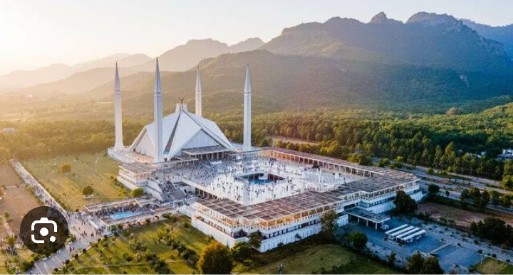
Beauty of “ISLAMABAD”

The Islamabad

The beauty of Islamabad lies in its stunning natural landscapes, well-planned infrastructure, and serene ambiance. Here are some key aspects that define the beauty of Islamabad:1.Scenic Location: Islamabad is nestled against the backdrop of the Margalla Hills, providing breathtaking views and a tranquil environment. The city is also surrounded by lush greenery, making it a picturesque destination.2.Planned Architecture: Islamabad is known for its well-planned infrastructure and architectural design. The city is divided into different sectors, each with its own green spaces, parks, and wide roads. The blend of modern and traditional architecture adds to its charm.3.Parks and Gardens: Islamabad is home to numerous parks and gardens, such as Fatima Jinnah Park, Daman-e-Koh, and Shakarparian Park. These green spaces offer a peaceful retreat, with beautifully manicured lawns, colorful flowers, and recreational facilities.4.Monuments and Landmarks: The city boasts several iconic landmarks and monuments that add to its beauty. Notable examples include Faisal Mosque, Pakistan Monument, Rawal Lake, and Centaurus Mall. These structures showcase the city’s rich cultural heritage and architectural grandeur.5.Cleanliness and Serenity: Islamabad is known for its cleanliness and well-maintained surroundings. The city’s strict regulations and emphasis on cleanliness contribute to its serene ambiance, making it a pleasant place to live and visit.6.Cultural Diversity: Islamabad is a melting pot of diverse cultures and ethnicities. The city hosts various cultural events, festivals, and exhibitions, promoting harmony and inclusivity. This cultural diversity adds vibrancy and richness to the city’s beauty.7.Education and Research Institutions: Islamabad is home to prestigious educational and research institutions, including universities, colleges, and research centers. The presence of these institutions enhances the intellectual atmosphere of the city and contributes to its overall appeal.Overall, the beauty of Islamabad lies in its harmonious blend of natural landscapes, well-planned infrastructure, cultural diversity, and serene ambiance. It is a city that offers a peaceful and aesthetically pleasing environment for its residents and visitors.