What aspects of your cultural heritage are you most proud of or interested in?
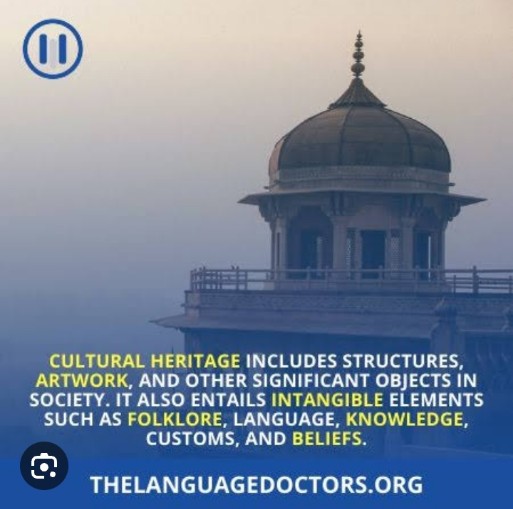
However, I can provide you with a general perspective on aspects of cultural heritage that people often take pride in or find interesting. Cultural heritage encompasses a wide range of elements, including traditions, customs, language, art, music, literature, architecture, and historical landmarks. Each individual may have different aspects of their cultural heritage that they are proud of or interested in. Here, I will discuss some common aspects that people often find pride or interest in.1.History and Traditions: Many individuals take pride in their cultural heritage’s rich history and traditions. Understanding the historical context of one’s culture can provide a sense of identity and belonging. People may feel proud of their ancestors’ achievements, their struggles, and the traditions that have been passed down through generations. Exploring and preserving these traditions can help maintain a connection to one’s cultural roots.2.Language and Literature: Language is an essential aspect of cultural heritage. Many individuals take pride in their native language and find it fascinating to explore its linguistic intricacies. Language often carries cultural values, expressions, and unique ways of thinking. Literature, including folktales, poems, and novels, can provide insights into a culture’s beliefs, values, and historical events. Preserving and promoting native languages and literature is crucial for maintaining cultural diversity.3.Art and Crafts: Art and crafts are integral parts of cultural heritage, reflecting the creativity and aesthetics of a particular culture. People often take pride in their traditional art forms, such as painting, sculpture, pottery, weaving, or embroidery. These art forms not only showcase the skills and craftsmanship of the artists but also represent cultural symbols and stories. Appreciating and preserving traditional art forms can help ensure their continuation for future generations.4.Music and Dance: Music and dance are universal languages that transcend cultural boundaries. Many individuals take pride in their cultural music and dance forms, which often have deep historical and social significance. Traditional music and dance can evoke emotions, tell stories, and preserve cultural values. People may feel a strong connection to their cultural heritage through participating in or appreciating these art forms.5.Cuisine and Gastronomy: Food is an essential part of cultural heritage, representing the unique flavors, ingredients, and cooking techniques of a particular culture. People often take pride in their traditional cuisine and enjoy sharing it with others. Exploring and preserving traditional recipes and cooking methods can help maintain cultural identity and promote intercultural understanding.6.Architecture and Historical Landmarks: Architectural styles and historical landmarks are physical manifestations of a culture’s heritage. People often take pride in their cultural architectural achievements, whether it be ancient temples, grand palaces, or traditional houses. These structures not only represent the skills and craftsmanship of the past but also provide insights into the cultural, religious, and historical contexts of a society.7.Festivals and Celebrations: Festivals and celebrations are vibrant expressions of cultural heritage. People often take pride in their traditional festivals, which bring communities together, celebrate shared values, and showcase cultural practices. Participating in festivals and celebrations can foster a sense of belonging and promote cultural exchange.8.Values and Ethics: Cultural heritage also encompasses the values, ethics, and moral principles that a society upholds. People may take pride in their cultural values, such as respect for elders, hospitality, or community solidarity. These values often shape individuals’ behaviors and interactions, contributing to the overall fabric of a culture.In conclusion, cultural heritage is a multifaceted concept that encompasses various aspects people may take pride in or find interesting. Whether it is history, traditions, language, art, music, cuisine, architecture, or values, each aspect contributes to the richness and diversity of a culture. Exploring, preserving, and celebrating these aspects can help individuals maintain a connection to their cultural roots and promote intercultural understanding.